
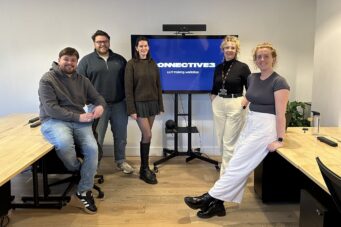
In-person LLM training September 2026

Our approach is twofold, and captures both the on-site AI visibility tracking through GA4, and off-site through prompt tracking and competitor analysis tools.
There are a number of keyword tracking tools in market, including those from Ahrefs, Sistrix and Hubspot, which offer you the ability to track what users are searching for on LLMs, and what prompts you’re appearing for.
At Connective3, we adopted Brand Radar due its depth of prompt analysis, and as such, are able to offer clients data for their mentions, citations, and impressions they’re appearing for across AI Overviews, AI Mode, ChatGPT, Gemini, Perplexity and Copilot.
Alongside that, we can conduct AI search content gap analysis, highlighting prompts competitors are visible for our clients aren’t; as well as prompts where competitors are appearing above our clients – both of which we can use to inform content strategies. You can find out more about the different LLM tracking tools we tested, alongside the ones we’ve adopted, and why.

Prompt analysis is great at understanding the scope of the opportunity; but it’s also crucial that you track the traffic that comes to your site from LLMs, to find out:
To track these, we suggest building a custom channel group within GA4, designed to best capture insights for LLMs. For a step-by-step guide on how to do this, have a read of our blog on how to create an LLM traffic channel group in GA4.












This whitepaper explores the recent changes to SERPs and what this means for the fashion and tech reseller industry today. We cover the advancements of AI search, LLMs, and generative features, analysing how they play a hugely influential role in visibility for e-commerce brands. Using real-world examples from established brands, we explore how resellers appear in AI and what this means for attracting customers. We also take you through some best practices to help you stay ahead of the competition online.

This comprehensive guide explores how organic search is evolving in 2026. Learn what Google’s AI mode means for marketers, how to optimise for emerging features like AI overviews and social search, and ways to measure success across every format.
As search evolves, it’s crucial you capture your LLM traffic, to accurately understand how your organic strategies are performing – and these insights can then be shared across all internal teams, to better optimise sites not just for traditional Google searches, but AI-led searches too.
Contact us for more information on how to optimise for LLM/AI Search.


