BrightonSEO April 2026

This guide will cover how brands preparing for seasonal peaks can plan and create content for large-scale sports and entertainment events throughout the year.
The marketing landscape in 2026 is difficult and challenging, but all that means is that you’ll need to be a little more prepped and aware of competitors and their strategies. With search volatility higher than ever due to Google updates and AI search, content performance isn’t the same. It has a shorter lifecycle due to increased refreshing with AI summaries and there’s more competition around major events. This means that in the present day, creating bits of content here and there won’t be enough anymore.
When looking at any large-scale event, the first thing that you need to be aware of is the importance of creating topical authority, which is important for SEO (search engine optimisation). Essentially, this is where you establish yourself as a trusted and authoritative source of information ahead of the event. This means that when the event does roll around, you’ll be ranking effectively in Google, AI search, and LLM search (search powered by large language models) for important keywords.
Beginning this process months in advance of your targeted event is crucial, ensuring you have the time and resources to begin establishing and implementing your plans. However, this could change depending on whether competitors already dominate SERPs (search engine results pages) and if the event has a long hype cycle before it begins.
It’s also important to remember that search intent changes across the event journey. Further out from the event, users are more likely to search in an informational or planning mindset, using queries around dates, venues, host cities, history, and what to expect. As the event gets closer, intent becomes far more commercial, with demand shifting towards tickets, packages, bookings, logistics, and availability. That means an effective events strategy should not just focus on publishing early, but on creating the right type of content for the right stage of demand.
Ideally, big annual events need around four to six months of preparation, with smaller, more irregular ones only needing about two to three instead.

There are multiple ways to achieve topical authority, with each method depending on the type of event you’re considering building content for.
If the plan is to create content for annual events, then conducting competitor analysis is a great place to start. Not only can this give broader context on the previous year’s landscape, but it will highlight exactly what other competitors focused their efforts on, where they were successful, and if they had gaps in their strategy.
Did they focus on guides and news? Were they posting limited video or preview content? What was their internal linking strategy?
This kind of analysis gives you an opportunity to capitalise on specific areas for the upcoming event. If done right, you can position your brand as a leading source of information ahead of other competitors.
If instead, you’re planning content for a non-annual event, then the approach is slightly different. For these events, you can still look at previous editions, related events, and historical search behaviour to inform your strategy. In doing so, you can identify the core focus areas around the event and carry out keyword research that covers the full funnel, from upper-funnel informational searches through to lower-funnel commercial terms. In practice, this means understanding which searches are better suited to evergreen content, which should sit on live event or landing pages, and which are best covered through supporting editorial content. It’s worth applying this process to annual events too, alongside competitor analysis, as it helps create a much more rounded content plan.
As an overall rule, however, a stronger structure is to build one evergreen hub page, one or more live event pages where relevant, and supporting blog or editorial content around them. The evergreen hub acts as the central authority page for the wider topic and captures year-round demand, while event pages target more time-sensitive commercial searches around the current edition. Supporting blogs, guides, FAQs, and trend-led pieces can then capture long-tail demand and strengthen internal linking between the hub and the live pages. This gives you broader coverage across the funnel and reduces reliance on short seasonal spikes alone. If search volume increases, new angles emerge, or competitors begin to move, then scaling up this model becomes much easier.
We have seen this in practice when analysing event-led performance for a travel brand. While some decline was expected due to lost seasonality around Six Nations-related pages, the deeper issue was that non-branded and long-tail queries were declining disproportionately. This suggested a wider content structure problem rather than a purely seasonal one, with informational guides sitting too far away from commercial pages, thin commercial content failing to support mid- and long-tail searches, and weak internal linking making the two sections appear disconnected. It reinforced the need for evergreen hub content, stronger integration between guides and landing pages, and a clearer full-funnel structure.
Ensuring that you work closely with other teams and departments is also highly important. This makes sure that you’re covering all bases, giving you a rounded and holistic perspective of the best way to move forward with your content creation.
The first team you should be collaborating with is Digital PR, as they can help to identify the best opportunities to amplify the content that you’re making. Departments like Digital PR can ensure that you’re building positive brand signals, aiding with wider Google ranking and LLM citation potential.
PR can even assist with the creation of specific and tailored data-led content such as previews or surveys. This will ensure you’re making content that’s not only topical, but relevant to the current demand of online searches.
Equally as important, working together with the Social Media team can make certain that your strategies are complementary and that you’re building topical authority in the same direction. Collaborating with them also allows for social content to get featured in Google search results, by aligning activity and building authority in the same areas.
To elaborate on this, social can help make live reaction videos, allowing for quick and easy engagement, all while lining up with the other publishable content.
To give you a sense of how these strategies can be used, let’s run through a quick framework to apply to all events:
This framework is particularly useful because not all event content should be measured in the same way. Evergreen hub pages are often better for tracking year-on-year topic growth, visibility, and engagement over time, while live event pages are more likely to be judged on conversion-focused metrics during peak windows. Looking at demand trends before planning helps shape both your publishing timeline and your expectations for performance.
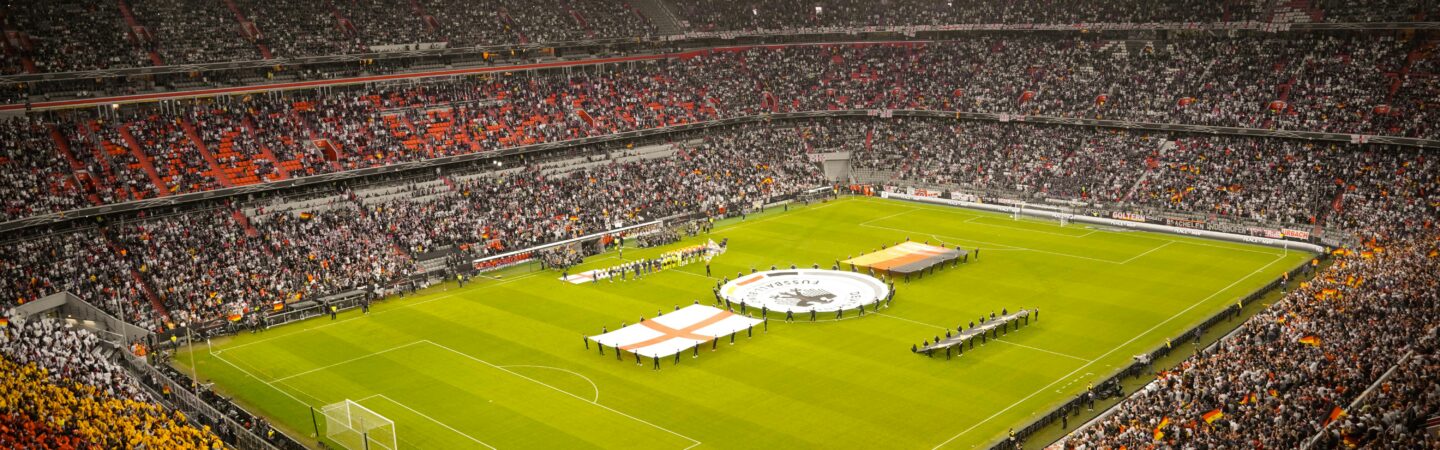
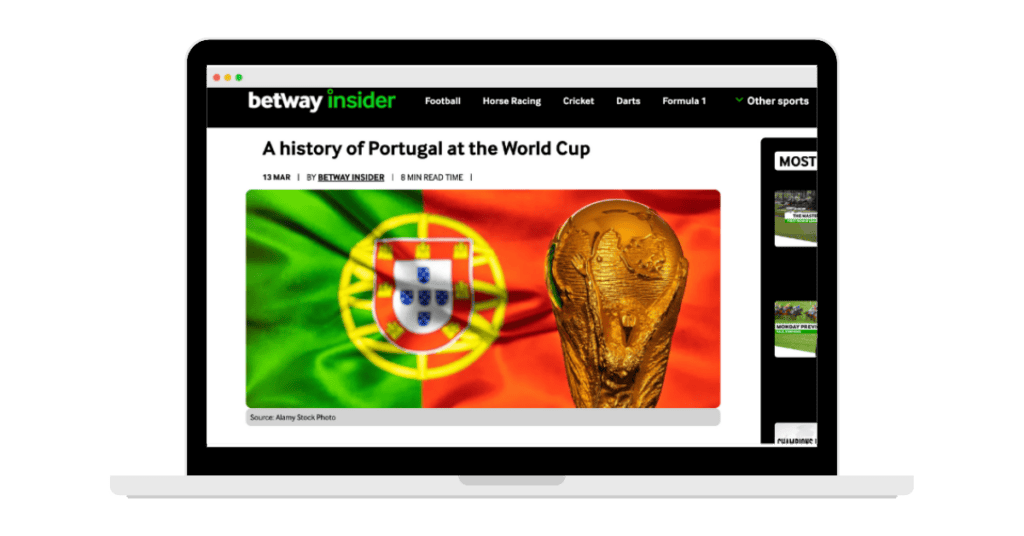
Using the World Cup as an example, you can look for certain identifiable topics that may be optimal to build authority on. For example, it may be ‘World Cup betting’ and ‘England betting’ that are the two key themes around which you want to create topical authority for, which would then direct the types of content created. If this was the case, then you could make dedicated and specific landing pages that will target the commercial terms.
Following this up by supporting with blog and article content, such as match previews, form guides, or team profiles, shows you know what you’re talking about and have many insightful things to say on the topic.
As another example, Eurovision is a good event to discuss relating to the entertainment industry. The same principles can be applied here as well, with relevant topics to build topical authority on potentially being ‘Eurovision favourites’ and ‘Top Eurovision contenders’.
Much like the World Cup example, blogs can be created here, such as on last year’s top nations, countries expected to do well, or profiles for artists set to feature.
Creating effective content for large-scale events is all about preparation and collaboration. Ensuring that you start your strategy early is key and success can’t happen without being ahead of the curve.
Timing is so important as topical authority can’t be established without it. Getting content up and online earlier lets Google and LLMs see your brand as a trusted and knowledgeable source of information, therefore allowing you to rank higher. Last-minute content will not be able to replicate this, resulting in fewer clicks and impressions. To put it simply, the earlier you begin your preparation, the more likely you are to see success.
Creating effective event-based content is about building a structure that can support awareness, consideration, and conversion over time, rather than simply publishing the odd blog or guide in the run-up to a key date. The strongest strategies are the ones that combine evergreen authority-building content, live event landing pages, and supporting editorial pieces that keep the topic fresh and visible throughout the lifecycle of demand.
If you’re keen to learn more about what the Organic team does and how Connective3 can improve your brand’s online presence, view the Content Strategy Services that we have available.
Contact our talented team today for more information on how we can help you.


